7 Jun 2026
Sequential Transaction Patterns Powering Reward Triggers in On-Demand Casino Systems
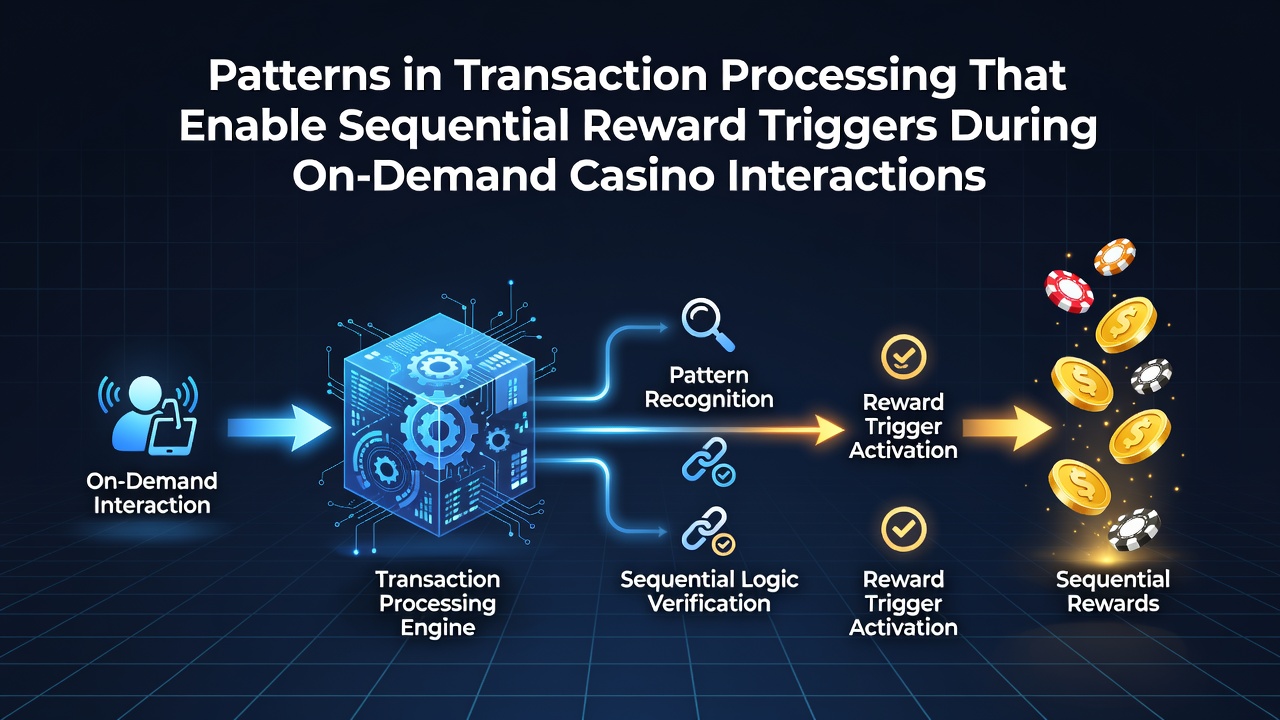
Transaction processing in on-demand casino platforms relies on specific patterns that allow rewards to activate in sequence as users interact with games and services in real time, and these mechanisms have become central to how modern systems manage deposits, bonuses, and payouts simultaneously.
Experts observe that the core lies in event-driven architectures where each financial action registers as a discrete transaction that can chain into subsequent reward events without manual intervention, while maintaining data integrity across distributed servers.
Foundational Elements of Transaction Sequencing
Database systems employ ACID compliance to ensure atomicity during these operations, so a deposit processes fully before any linked bonus activates, and this prevents partial states that could disrupt reward chains. Researchers note patterns such as saga orchestration and event sourcing appear frequently in these environments because they break complex workflows into smaller, compensatable steps that execute sequentially.
Data from industry reports indicates that platforms handling thousands of concurrent sessions use message queues to order these events reliably, whereas traditional batch processing falls short for on-demand scenarios where users expect immediate feedback after each action.
Patterns Enabling Sequential Reward Activation
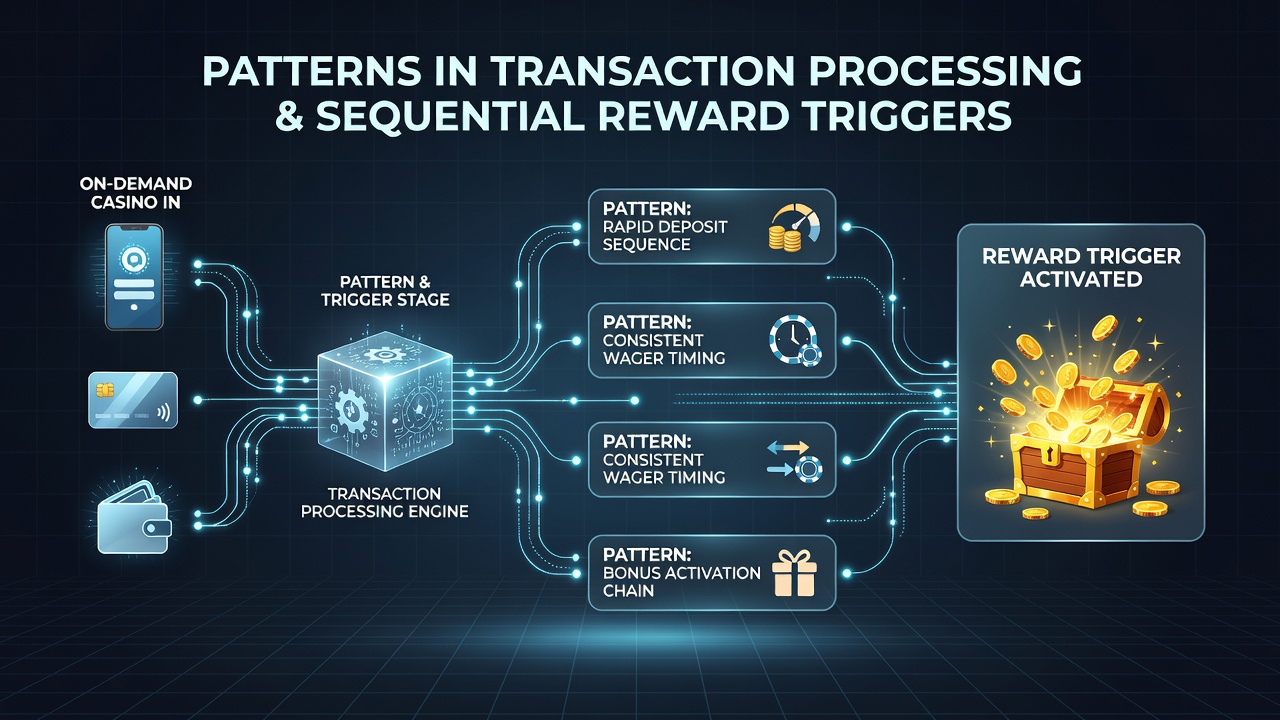
One common approach involves state machine models that track user progress through defined stages, triggering the next reward only after the prior transaction confirms success. Observers note that this method supports layered bonuses where an initial deposit unlocks free spins, which then feed into jackpot eligibility once certain play thresholds register in the system.
Another pattern uses API gateways to coordinate microservices, allowing payment verification to signal a separate rewards engine without direct coupling between components. This separation helps maintain performance under load while preserving the order of operations required for sequential triggers.
Real-World Implementation in Mobile and Live Environments
Platforms serving on-demand interactions often integrate these patterns with push notification services that alert users when a new reward stage completes, and studies show this approach increases engagement metrics by confirming each step transparently. Take one operator that implemented saga-based transaction handling, where deposit confirmation automatically queues a bonus round followed by a loyalty point accrual once gameplay data syncs back to the central ledger.
According to findings shared by the Nevada Gaming Control Board, technical standards increasingly emphasize audit trails that log every sequential trigger for compliance verification, ensuring regulators can reconstruct the exact order of reward activations during reviews.
Advancements Observed Through Mid-2026
By June 2026, several platforms had adopted enhanced distributed ledger techniques alongside traditional databases to improve traceability of sequential reward events across multiple jurisdictions. Those who've examined these upgrades report that latency reductions allow rewards to chain faster during peak hours without compromising consistency checks.
What's notable is how these systems handle edge cases like interrupted sessions, using compensation logic to reverse or adjust partial sequences automatically while preserving fairness for all participants.
Technical Challenges and Solutions
High-volume environments face risks of race conditions when multiple transactions attempt to trigger overlapping rewards, yet developers counter this with locking mechanisms and idempotency keys that ensure each event processes exactly once. Research indicates that combining these with real-time analytics dashboards helps operators monitor trigger success rates and adjust patterns dynamically.
Another layer involves integration with third-party payment processors, where callback sequences must align precisely with internal reward engines to avoid delays or missed activations during on-demand play.
Conclusion
Patterns in transaction processing continue to evolve as the foundation for sequential reward triggers, supporting the fluid interactions users encounter in contemporary casino platforms. Data shows that operators adopting these structured approaches achieve more reliable reward delivery while meeting technical and oversight requirements across regions. Those monitoring developments note ongoing refinements in orchestration tools that promise further efficiency gains in handling complex, multi-stage reward flows.