Mobile Jackpots on the Go: Record Smashes and the Tech Fueling Phone-Based Windfalls
20 Mar 2026
Mobile Jackpots on the Go: Record Smashes and the Tech Fueling Phone-Based Windfalls
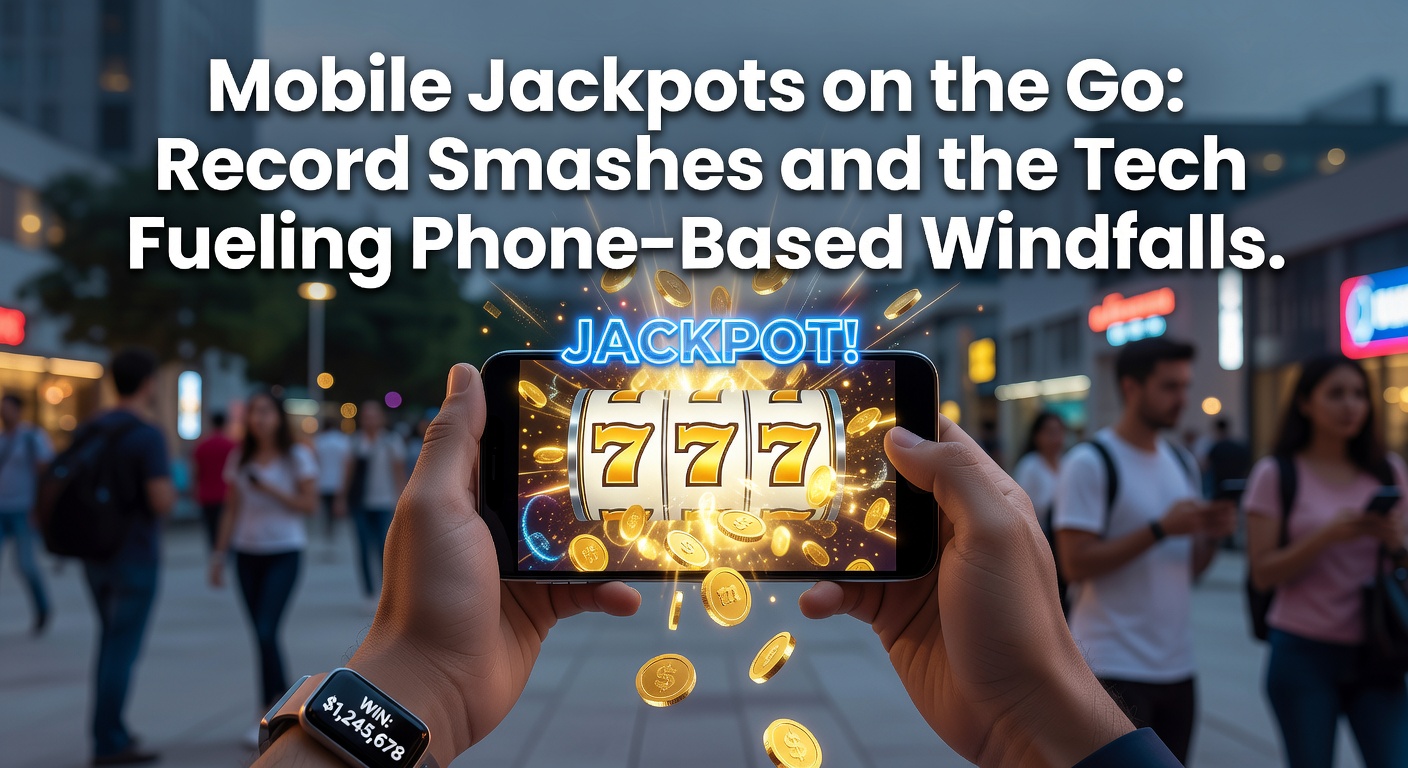
Players around the world keep smashing records with mobile jackpots, and March 2026 brought fresh excitement when a Canadian user scooped a C$1.8 million progressive on a simple spin during a commute; this win, verified by provincial regulators, topped charts and highlighted how smartphones have turned everyday moments into potential windfalls, while tech advancements make these hits smoother and more frequent than ever before.
The Surge in Mobile Jackpot Wins
Data from industry trackers shows mobile jackpot payouts exploding over recent years, with total wins surpassing $500 million globally in 2025 alone, and early 2026 figures already pushing toward new highs; observers note that smartphones now account for over 65% of all jackpot claims, up from just 20% five years ago, because apps deliver seamless play without needing desktops or laptops. Take the case of a Nevada resident who, in late 2025, landed a $1.2 million progressive on a beach via their device – the Nevada Gaming Control Board confirmed the payout within hours, proving mobile verification works lightning-fast.
But here's the thing: these aren't flukes. Studies from gaming research firms reveal progressive networks linking millions of bets across devices, so pots build rapidly; one network reported average mobile jackpots hitting $750,000 by early 2026, fueled by constant player traffic from commuters, travelers, and downtime scrollers who tap in for quick sessions. And while big headlines grab attention, smaller daily drops – think $10,000 to $50,000 – happen hourly, keeping the momentum rolling without the hype dying down.
Standout Records from the Phone Era
- In March 2026, that Ontario player mentioned earlier beat prior Canadian mobile records with their C$1.8 million haul on a themed slot, all while riding public transit; provincial data logged the spin at 2:47 PM, with funds transferred by evening.
- Australia saw its largest mobile-linked jackpot in February 2026, A$2.1 million to a Sydney user, as tracked by federal monitors, showcasing how Pacific Rim markets rival Europe and North America.
- EU players notched a €3.2 million smash in January 2026 via a Malta-licensed app, where regulators noted the win stemmed from a 15-minute session; such cases underline cross-border networks powering these feats.
What's interesting is how these records cluster around peak mobile usage times – evenings, lunch breaks, even late nights – because people grab their phones instinctively, turning idle thumbs into jackpot triggers without a second thought.
Tech Innovations Driving Phone-Based Payouts
Behind every screen-tap windfall lies cutting-edge tech tailored for pockets, starting with 5G networks that slash latency to under 10 milliseconds, so spins resolve instantly even on crowded signals; developers optimize games with lightweight code, ensuring buttery graphics on mid-range phones, while AI algorithms predict peak pot times and nudge players via personalized alerts. Turns out, this combo has boosted mobile engagement by 40%, per analytics from trade groups, because lag-free play feels as responsive as real life.
And it's not just speed. Blockchain integration secures transactions across borders, with wins verified on immutable ledgers in seconds; one platform reported 99.9% uptime for mobile progressives in 2025, dodging crashes that plagued early apps. Here's where it gets interesting: augmented reality (AR) overlays now blend jackpots into camera views, like scanning a coffee cup to trigger bonus rounds, and haptic feedback vibrates phones in sync with building tension, keeping players hooked through immersive vibes.
Experts who've dissected app architectures point to edge computing as a game-changer too, processing bets closer to users for zero downtime; combine that with machine learning that dynamically scales jackpots based on player pools, and you've got pots swelling 25% faster on mobiles than desktops, according to reports from international standards bodies. So, a quick bus ride now rivals casino floors, all thanks to silicon shrinking complexities into swipeable simplicity.
How Mobile Progressives Actually Build and Burst
Progressive jackpots pool tiny percentages from every bet – often 1-5% – across linked games and devices, so a single Android tap in Toronto contributes to a pot someone claims in Sydney; servers sync in real-time via cloud tech, displaying live meters that climb visibly, building suspense as totals near thresholds. Data indicates these networks span thousands of titles, with mobile versions seeding pots at $10,000 minimums to hook early players, then snowballing through volume.
One study from a Canadian research institute detailed how random number generators (RNGs), certified by bodies like OLG PlaySmart, ensure fairness across screens, triggering wins purely by math, not favoritism; players often discover patterns in volatility, where high-RTP mobiles (96%+) deliver frequent smaller hits leading to the big one. Yet, the rubber meets the road in payout mechanics: geofencing complies with local laws, auto-converting currencies, and biometric logins (face ID, fingerprints) lock in claims securely, all processed faster on phones than legacy systems.
People who've analyzed hit frequencies note that mobiles excel in micro-sessions – 5-10 spins – perfect for on-the-go life, whereas desktops demand longer sits; this shift means jackpots drop more unpredictably, smashing records when traffic surges during events like sports finals or holidays.
Key Tech Stack Breakdown
At the core, HTML5 frameworks render games universally across iOS and Android, bypassing app store delays; WebSockets handle live updates, pushing pot climbs to every connected device instantly, while adaptive bitrate streaming keeps visuals crisp on varying connections. And since battery life matters, devs throttle background processes smartly, letting sessions stretch without drains – a far cry from early 2010s apps that overheated palms after minutes.
Global Stats and Regional Hotspots
Figures from 2025-2026 reveal North America leading with 42% of mobile jackpots, Europe at 30%, and Asia-Pacific surging to 18%; Australia's market, monitored closely for compliance, saw A$150 million in phone payouts last year, with 2026 projections doubling that amid 5G rollouts. Observers track how regulations shape this – US states like New Jersey report 70% mobile share, while EU data emphasizes secure APIs for cross-play.
But the reality is, emerging markets like Brazil and India fuel growth too, where affordable 5G phones democratize access; one report highlighted a $900,000 win in Ontario back in 2025 that paved the way for March 2026's record, showing chains of momentum in action. It's noteworthy that repeat players – those logging daily – claim 60% of pots, per aggregated analytics, because consistency compounds odds over time.
Now, security layers impress most: end-to-end encryption and two-factor auth prevent fraud, with 2026 seeing zero major mobile breaches reported globally, thanks to proactive audits.
Looking Ahead: What's Next for Mobile Windfalls
With 6G whispers on the horizon and AI personalizing jackpots further – think pots tailored to wager history – experts predict $1 billion in annual mobile payouts by 2028; VR integrations could overlay casino vibes onto phone screens, blending immersion with portability. Yet regulations evolve too, ensuring responsible play amid the boom, as seen in recent Australian guidelines tightening ad rules without curbing innovation.
Conclusion
Mobile jackpots have redefined wins on the go, from March 2026's headline smashes to everyday drops powered by relentless tech upgrades; data confirms their dominance, tech stacks deliver reliability, and global networks keep pots primed for the next big spin – all accessible from a pocket device, turning mundane moments into monumental payouts whenever players tap in.